What is retakaful? How a mutual stays strong when many need help
Retakaful explained simply: how Takaful mutuals protect members when many claims happen at once.
6 min read
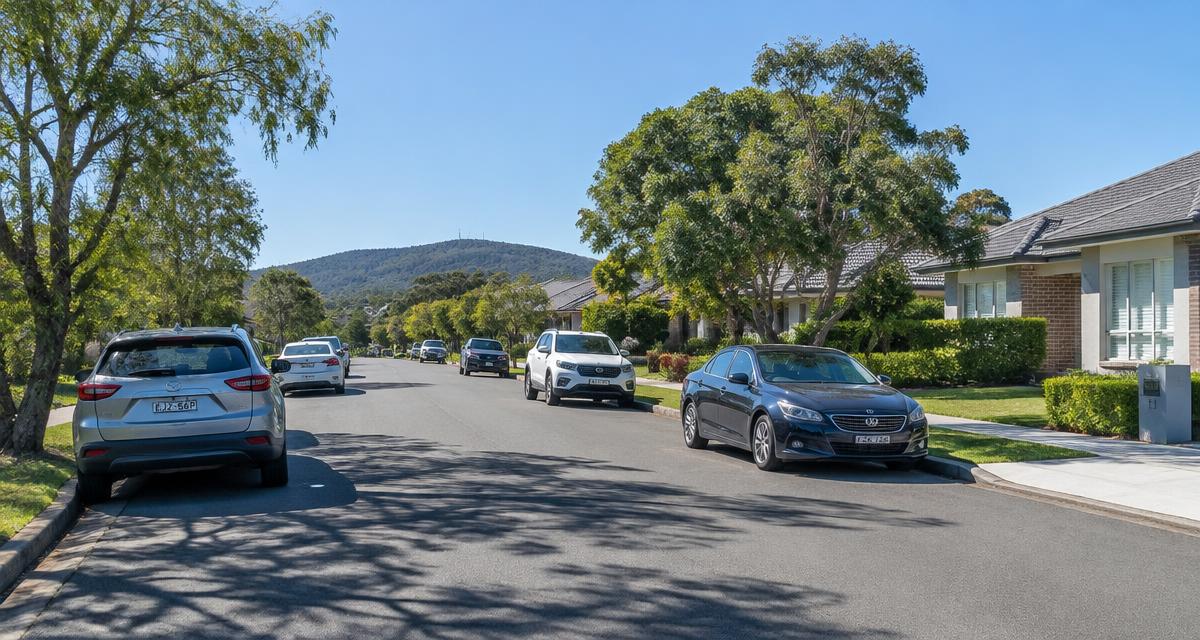
When you join a mutual, you become part of a community that contributes towards helping one another when things go wrong. But what happens when many members need support at once?
A severe hailstorm, for example, could damage vehicles across the same area in a single afternoon. Even a carefully managed mutual needs to plan for losses that are unusually large or concentrated.
This is where Retakaful plays a role. Najmaa’s Vehicle Protection is supported by Shariah-compliant Retakaful arrangements designed to help the mutual manage large or unexpected events. 1
What is Retakaful
Retakaful is the Shariah-compliant counterpart of reinsurance. It allows a Takaful undertaking to share agreed risks with a Retakaful arrangement.
Under Takaful, members contribute to a common fund to help one another. Retakaful extends that principle to another level, allowing participating Takaful undertakings to share risks beyond their own member communities.
The principle is mutual assistance, or ta’awun. Contributions are made to a shared risk fund, which supports participating undertakings when specified losses occur. A Retakaful operator manages the arrangement under the applicable contracts and Shariah governance framework. 2
For a mutual, this provides another way to prepare for the financial impact of claims.
How Retakaful works
The process begins with the mutual deciding how much risk it can responsibly retain and how much it should share.
Retakaful arrangements are then put in place on agreed terms, setting out which risks are included, how contributions are allocated and when recoveries can be made.
When a loss occurs, the mutual handles the member’s request under its own product terms. Any Retakaful recovery is determined separately under the Retakaful contract, including its retained amounts, limits and other terms.
A member’s request and a Retakaful recovery therefore serve different purposes. The first concerns support available to the member. The second concerns how the mutual manages the financial cost of providing that support. 3
Two common ways to share risk
Retakaful can be structured in different ways. Two common approaches are quota share and excess of loss.
| Approach | How it works | What it does for the mutual |
|---|---|---|
| Quota share | An agreed percentage of contributions and eligible losses is shared. | Spreads a proportion of risk across the agreed portfolio. |
| Excess of loss | Eligible losses above an agreed retained amount are covered, up to a contractual limit. | Helps manage losses that exceed a specified threshold. |
Depending on the contract, excess of loss protection may respond to a large individual loss or to losses arising from one event, such as a major storm. Retakaful therefore has a role in both everyday risk sharing and planning for exceptional events. 4
A simple example
Imagine a mutual has a quota share agreement under which 40% of eligible losses is shared through Retakaful.
If the mutual pays an eligible loss of $20,000, the Retakaful share would be $8,000 and the mutual’s retained share would be $12,000, subject to the agreement.
This is a simplified illustration, not a description of Najmaa’s actual contract terms. It shows how Retakaful can share the cost of a loss while the mutual remains the member’s point of contact.
Why financial strength matters
A Retakaful agreement is a commitment to provide support when its terms are met. The financial strength of the institutions making that commitment matters.
Najmaa’s Retakaful arrangements include established international providers, including highly rated global counterparties. These relationships help the mutual spread risk beyond its own membership and access broader financial capacity.
Independent financial strength ratings help assess a provider’s ability to meet its ongoing contractual obligations. Depending on the rating agency, the assessment considers factors such as financial resources, operating performance and risk management.
What an A rating means
Rating agencies use different scales. Under AM Best’s financial strength rating scale, A and A− fall within the “Excellent” category, while A+ and A++ fall within “Superior”.
These ratings provide useful information about financial strength, but the agency and the particular entity being rated matter. A group’s rating should not automatically be attributed to every business within that group.
A provider’s rating is also separate from any rating of Najmaa or a member’s protection. Ratings can change and do not guarantee future payment. They are one part of assessing a Retakaful arrangement, alongside the contract terms and the amount of support available. 5
How Retakaful supports a mutual
Retakaful helps spread exposure beyond a single pool of members, reducing the effect of risks concentrated in one location or losses arising from the same event.
It works alongside adequate capital, reserves and careful risk management. Its usefulness depends on the contract’s scope, the financial capacity of participating providers and the availability of recoveries. 3
For members, the purpose is practical: a mutual that plans for large losses is better placed to manage the demands those losses can create.
What makes Retakaful Shariah compliant
Retakaful is built around cooperation and mutual assistance. Its structure must also address how the funds are managed, invested and overseen.
Relevant features include appropriate Shariah contracts, separation of the participants’ risk fund from the operator’s own funds, Shariah-compliant investment practices and Shariah oversight.
This is why financial strength and Shariah compliance are separate considerations. A financial strength rating assesses financial capacity; it does not certify Shariah compliance. Both need to be considered when establishing a suitable arrangement. 6
What this means for Najmaa members
Najmaa remains your point of contact for your protection and any request for assistance.
Member benefits are considered under the relevant Product Disclosure Statement and the mutual’s constitution, including the applicable terms and limits. Retakaful helps the mutual manage its exposure; it does not expand the benefits set out in those documents. 1
You do not need to arrange Retakaful yourself. It forms part of the arrangements supporting the mutual behind the scenes.
Frequently asked questions
Is Retakaful the same as Takaful
They operate at different levels. Takaful brings members together to share risk. Retakaful allows Takaful undertakings to share agreed risks more widely.
Does Retakaful only respond to disasters
No. A quota share arrangement can share eligible ordinary losses as well as larger ones. Other arrangements respond only after agreed thresholds are reached.
Do members contact the Retakaful provider directly
Members should use Najmaa’s usual channels for protection enquiries and requests for assistance. Retakaful recoveries are handled through the arrangements supporting the mutual.
Protection with Purpose
Mutual protection begins with people helping one another. Retakaful extends that cooperation, helping the mutual prepare for the demands that larger losses can bring.
Explore Najmaa’s Vehicle Protection or get a quote to learn more about joining the mutual.
Important Information
Protection is arranged by Najmaa Group Pty Ltd (AFSL 527623) and issued by Najmaa Mutual Limited. Protection is not insurance and is provided at the discretion of Najmaa Mutual Limited. Any advice is general advice only and does not take into account your objectives, financial situation or needs. Please read the relevant Product Disclosure Statement, Financial Services Guide and Target Market Determination and consider whether the product is appropriate for you.
Sources
1 | Najmaa Vehicle Protection · 2 , IFSB Conduct of Business Supervision for Takaful Undertakings · 3 , IFSB Core Principles for Islamic Finance Regulation for the Takaful Segment · 4 , IFSB Guiding Principles for Retakaful · 5, AM Best Guide to Financial Strength Ratings · 6 , IFSB and IAIS Issues in Regulation and Supervision of Takaful